Good ear hygiene means cleaning only the outer ear gently, avoiding cotton swabs or sharp objects, and seeking professional care for wax impaction or persistent symptoms or presence of pain, discharge, or hearing changes.
Earwax is protective: Cerumen traps dust, bacteria, and debris, helping prevent infections.
Self-cleaning mechanism:The ear canal naturally moves wax outward; most people don’t need routine cleaning inside.
Outer ear only: Hygiene should be limited to wiping the external ear with a soft cloth. Safe hygiene prevents infections and supports long-term hearing health.
Recommended Safe Practices Gentle cleaning of the outer ear only: Use a soft, damp cloth to wipe the external ear. Ear drops: Over-the-counter cerumenolytic drops can soften wax if buildup occurs. Professional removal: If wax is impacted, ENT doctors may use suction, irrigation, or specialized instruments. Protect hearing: Limit exposure to loud noise and wear ear protection when needed.
Practices to Avoid Cotton swabs/Q-tips: These push wax deeper and risk damaging the eardrum. Sharp objects: Keys, pins, or hair clips can cause injury. Ear candling: Not recommended (AAO-HNS); ineffective, potentially dangerous and can burn or injure the ear canal.
When to Seek ENT Care Symptoms of impaction: Pain, fullness, hearing loss, tinnitus, or dizziness. Persistent discharge or infection: May indicate otitis externa or middle ear disease. Children & elderly: Special populations may need tailored care due to narrower canals or hearing aid use Persistent pain, itching, or discharge. Sudden hearing loss or ringing (tinnitus). Frequent ear infections or dizziness.
Risks & Considerations Over-cleaning can strip protective wax, increasing infection risk. DIY (Do It Yourself) removal often causes more harm than good; AAO-HNS stresses professional evaluation for suspected impaction. Hearing aid users should have regular ENT check-ups, as wax buildup is more common.
Key Takeaways Consult ENT specialist for safe wax removal. “Clean the ear, not the canal.” Earwax is healthy unless it causes blockage. Avoid inserting anything inside the ear canal.
अच्छी कान साफ़-सफाई का मतलब है केवल बाहरी कान को धीरे-धीरे साफ़ करना, कॉटन स्वैब्स या तेज़ वस्तुओं से बचाना, और मोम के जमने या लगातार लक्षण -दर्द, जलन होने या सुनने में बदलाव होने पर पेशेवर उपचार लेना।
कान सफाई मार्गदर्शन (संदर्भ: AAO-HNS) मूल सिद्धांत
कान का मोम सुरक्षात्मक है: सेरूमेन धूल, बैक्टीरिया और मलबे को पकड़ता है, जिससे संक्रमण से बचाव होता है।
स्व-सफाई प्रक्रिया: कान की नली स्वाभाविक रूप से मोम को बाहर की ओर ले जाती है; अधिकांश लोगों को अंदर नियमित सफाई की आवश्यकता नहीं होती।
केवल बाहरी कान की सफाई : सफाई को केवल बाहरी कान को नरम कपड़े से पोंछने तक सीमित रखना चाहिए। सुरक्षित सफाई संक्रमण को रोकती है और दीर्घकालिक सुनने के स्वास्थ्य को बनाए रखती है।
सिफ़ारिश की गई सुरक्षित प्रथाएँ केवल बाहरी कान की हल्की सफाई: बाहरी कान को पोंछने के लिए नरम, गीले कपड़े का उपयोग करें। कान की बूँदें: ओवर-द-काउंटर सिरमेनोलिटिक बूँदें मोम को नरम कर सकती हैं यदि जमाव हो। विशेषज्ञ द्वारा मोम हटाना: यदि मोम कठोर या जम गया है, तो ENT चिकित्सक सक्शन, सिंचाई या विशेष उपकरणों का उपयोग कर सकते हैं। सुनने की क्षमता की रक्षा करें: तेज़ आवाज़ से बचें और जब आवश्यक हो कान की सुरक्षा यंत्र पहने।
बचने वाली आदतें: – कॉटन स्वैब्स/ क्यू-टिप्स: ये वैक्स को गहराई में धकेलते हैं और कान के पर्दे को नुकसान पहुंचा सकते हैं। – नुकीली वस्तुएँ: चाबियाँ, पिन या बालों के क्लिप चोट पहुंचा सकते हैं। – इयर कैंडलिंग: अनुशंसित नहीं है (AAO-HNS); प्रभावहीन, संभावित रूप से खतरनाक, और कान की नली को झुलसा या घायल कर सकता है।
कब ENT विशेषज्ञ को देखना चाहिए: – कान के मोम के जमने के लक्षण: दर्द, कान भरे होने का अहसास, सुनने में कमी, टिनिटस (कान में घंटी जैसी आवाज़), या चक्कर आना। – लगातार डिस्चार्ज या संक्रमण: यह बाहरी कान या मध्य कान की बीमारी का संकेत हो सकता है। – बच्चे और बुजुर्ग: संकीर्ण कान की नली या हियरिंग ऐड के उपयोग के कारण विशेष देखभाल की आवश्यकता हो सकती है। लगातार दर्द, खुजली, या डिस्चार्ज। – अचानक सुनने में कमी या घंटी जैसी आवाज़ (टिनिटस)। – बार-बार कान का संक्रमण या चक्कर आना।
जोखिम और विचार: – अत्यधिक सफाई से सुरक्षात्मक वैक्स हट सकता है, जिससे संक्रमण का खतरा बढ़ जाता है। – स्वयं हटाने के प्रयास (DIY) अक्सर नुकसान पहुँचाते हैं; AAO-HNS संदेहास्पद मोम के जमाई के मामलों में पेशेवर मूल्यांकन पर जोर देता है। – श्रवणयंत्र / हियरिंग एड उपयोगकर्ताओं को नियमित ENT जाँच करानी चाहिए, क्योंकि मोम के जमने की अधिक संभावना है।
मुख्य बातें सुरक्षित मोम हटाने के लिए ENT विशेषज्ञ से परामर्श लें। “कान की सफाई करें, न कि कान की नली की।” कान का मोम तब तक स्वस्थ होता है जब तक यह अवरोध न पैदा करे। कान की नली में कुछ भी डालने से बचें।

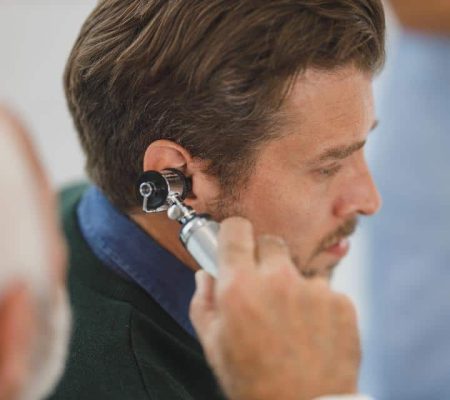
 Ear Hygiene Guidance (Ref:- AAO-HNS)
 Core Principles
 Recommended Safe Practices
 Practices to Avoid
 Risks & Considerations
 Key Takeaways